Relational Fieldwork
Training in how participation organizes power
- and how to stay human inside complex relational systems
laura geiger
Most group dynamics organize themselves before anyone decides what to do.
Influence, authority, responsibility, and silence begin distributing themselves through small participation moves long before anyone explicitly chooses a role.
In meetings, classrooms, collectives, and collaborations, people often notice themselves:
• stepping in too quickly
• carrying responsibility that was never assigned
• smoothing tension that needed time
• shaping outcomes without meaning to
• keeping the group coherent at personal cost
Not because people lack skill. Not because they lack ethics.
But because participation organizes power faster than intention can.
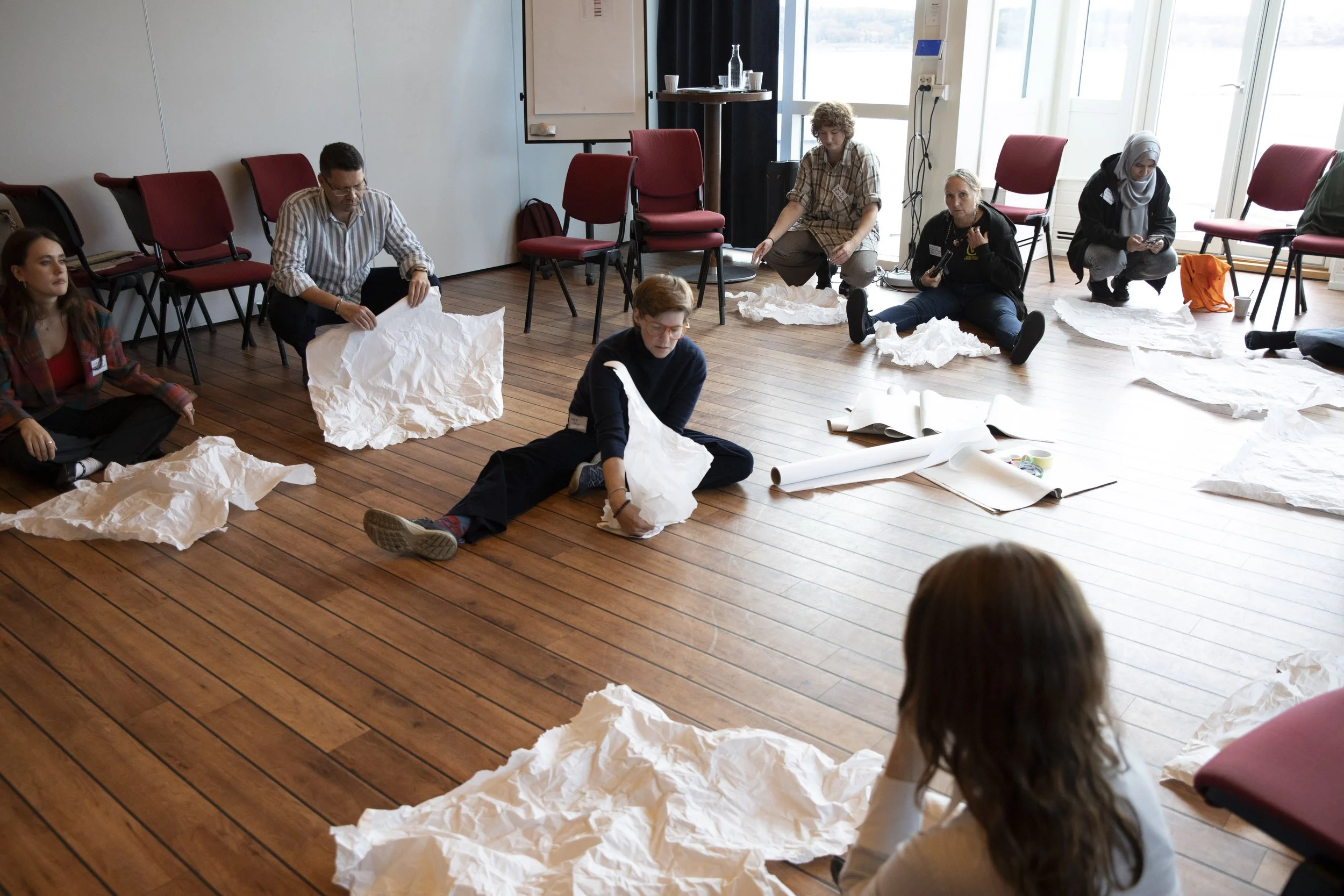
Relational Fieldwork creates practice environments where these patterns become visible while they are happening, allowing practitioners to study interaction in real time and expand their range inside it.
Learning happens through participation first, understanding second.
This is why the work takes place inside live relational environments rather than through discussion alone.
Many people who find this work have long sensed subtle group dynamics but rarely had places to study them directly.
What This Work Develops
Working inside relational systems requires three capacities that develop through practice.
Perceiving relational fields
Learning to notice how influence, tension, care, and authority move through interaction before anyone names them.
Participating with awareness
Developing the ability to remain present when responsibility, uncertainty, and difference appear without rushing to stabilize the moment.
Intervening responsibly
Recognizing when participation patterns are organizing harm and responding without collapsing trust or taking control.
Different practice environments focus on different parts of this arc.
practice Environments
Relational Fieldwork takes place in several distinct environments. Participants often move between them as their perception and participation deepen.
School of the Small and Imperfect
Human relational laboratory
The central practice environment for developing participation literacy.
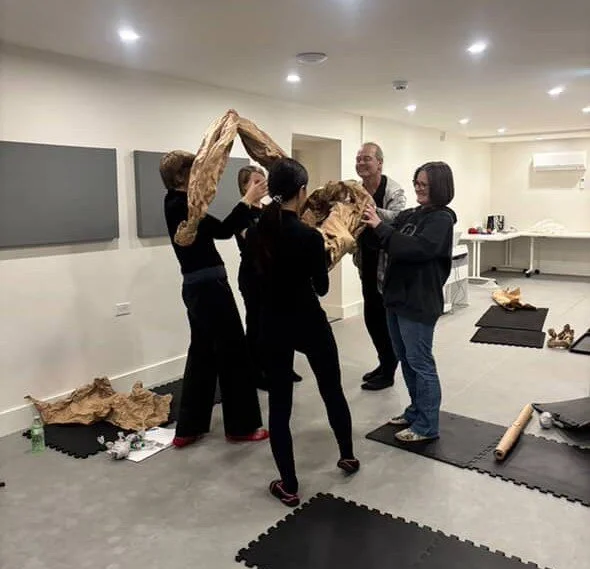
Participants practice working directly inside human relational fields, slowing down moments that normally pass too quickly to notice:
• hesitation
• offering
• withdrawal
• responsibility shifts
• refusal
• coordination pressure
Through structured relational conditions, participants experiment with practices such as:
• staying with moments before they resolve
• offering without pre-approval
• receiving without control
• noticing responsibility movement
• allowing refusal to remain visible
Over time, participants develop the capacity to remain present inside relational complexity without defaulting to control, over-functioning, or withdrawal.
Many participants return to School for multiple cycles as their participation capacity continues to develop.
Focus: participation
Deep Puppetry™
Material relational practice
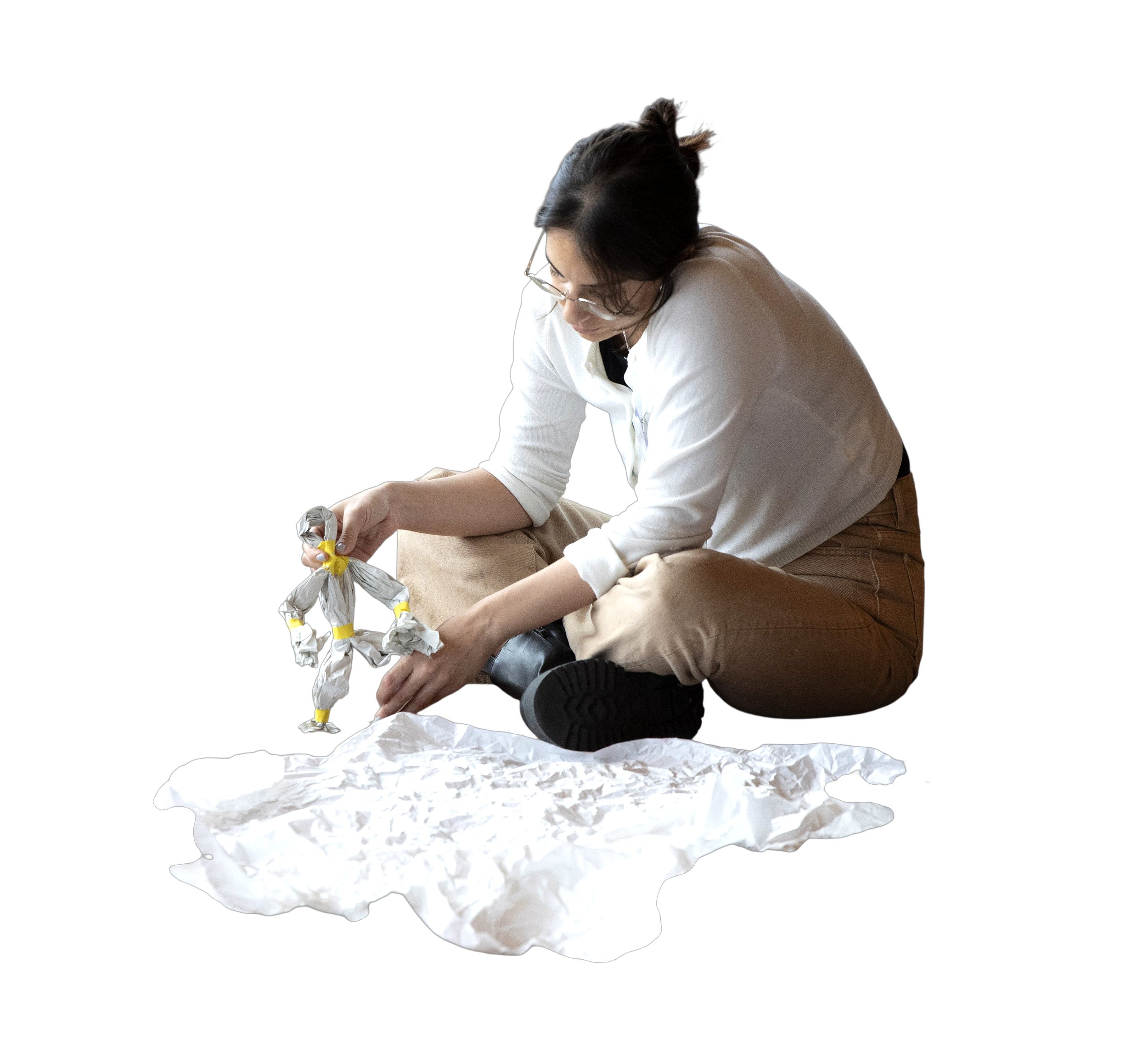
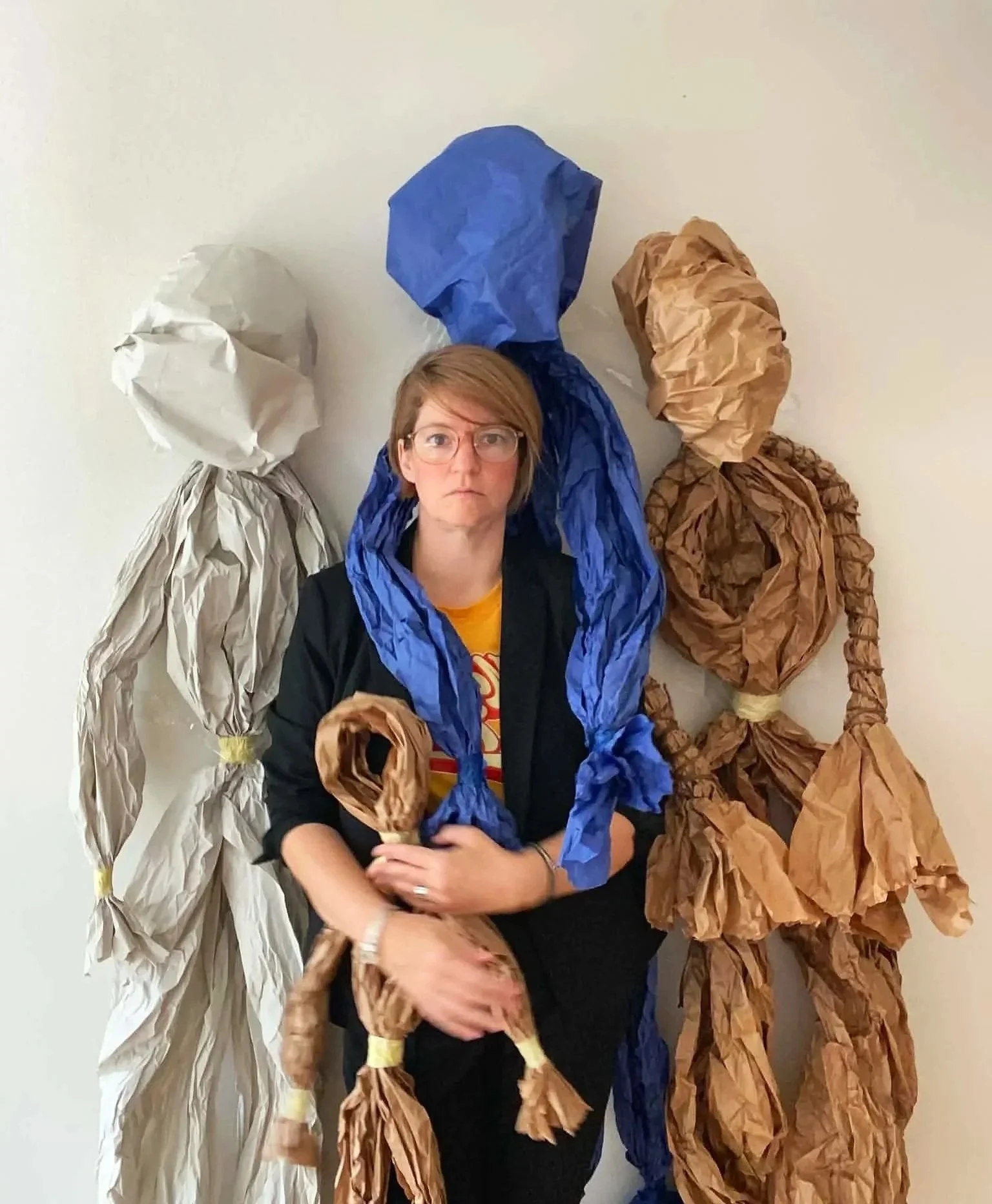
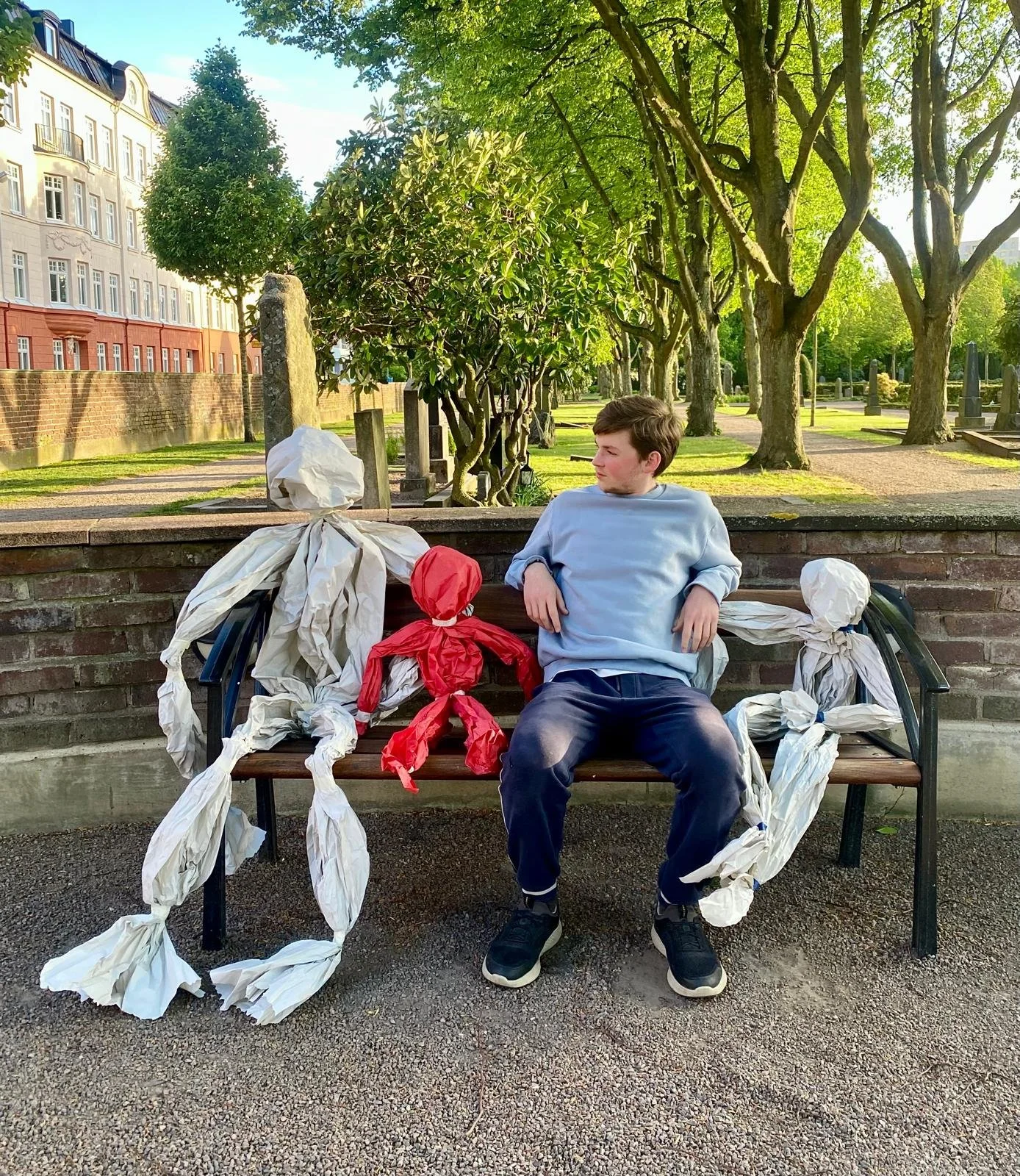
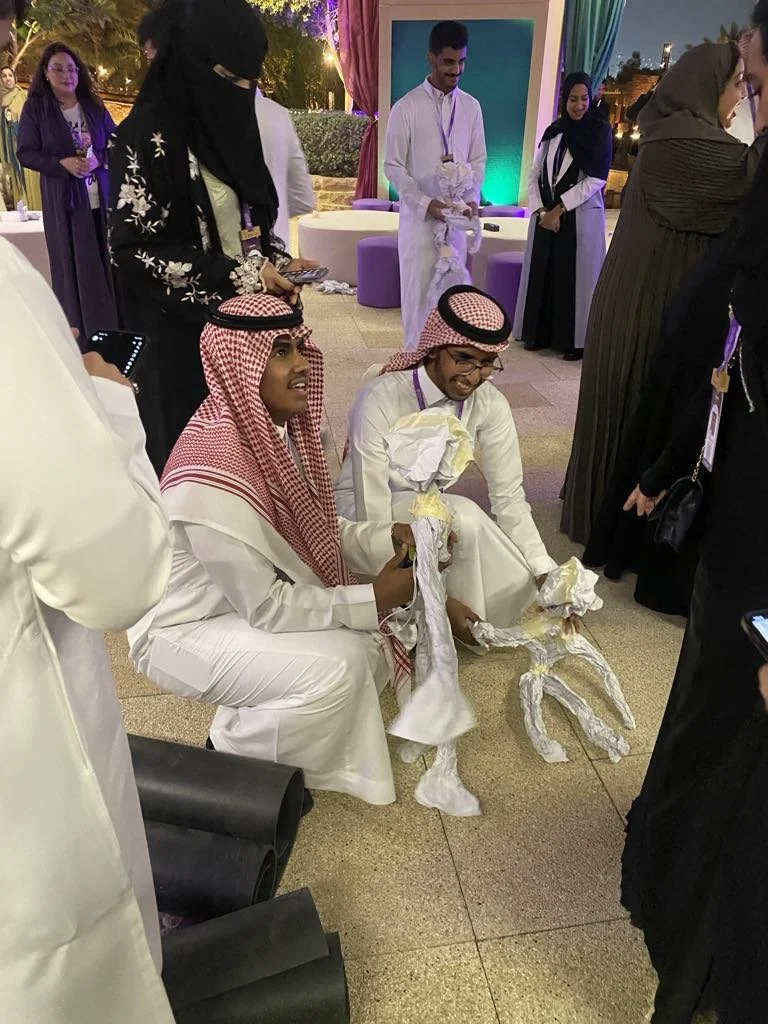
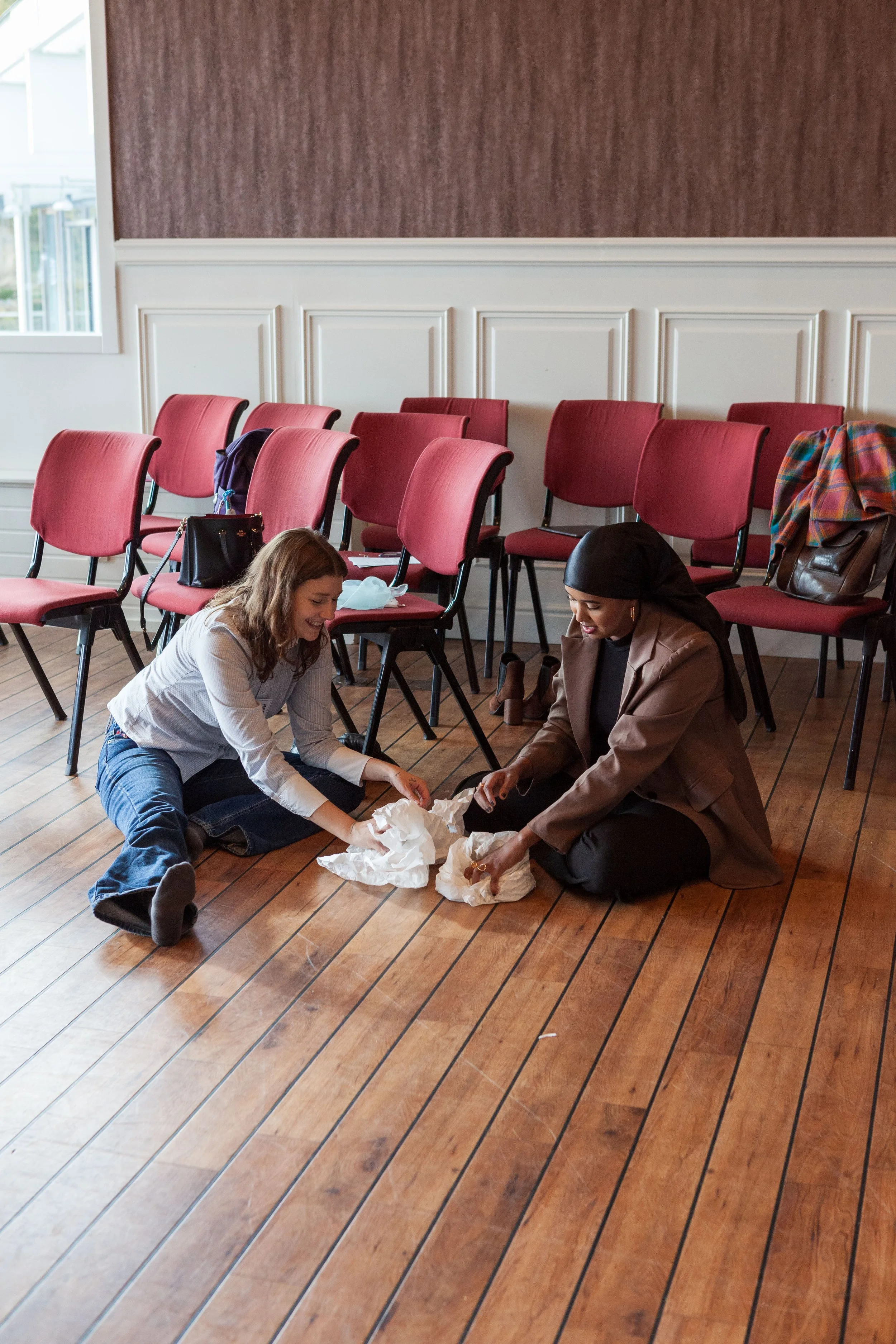
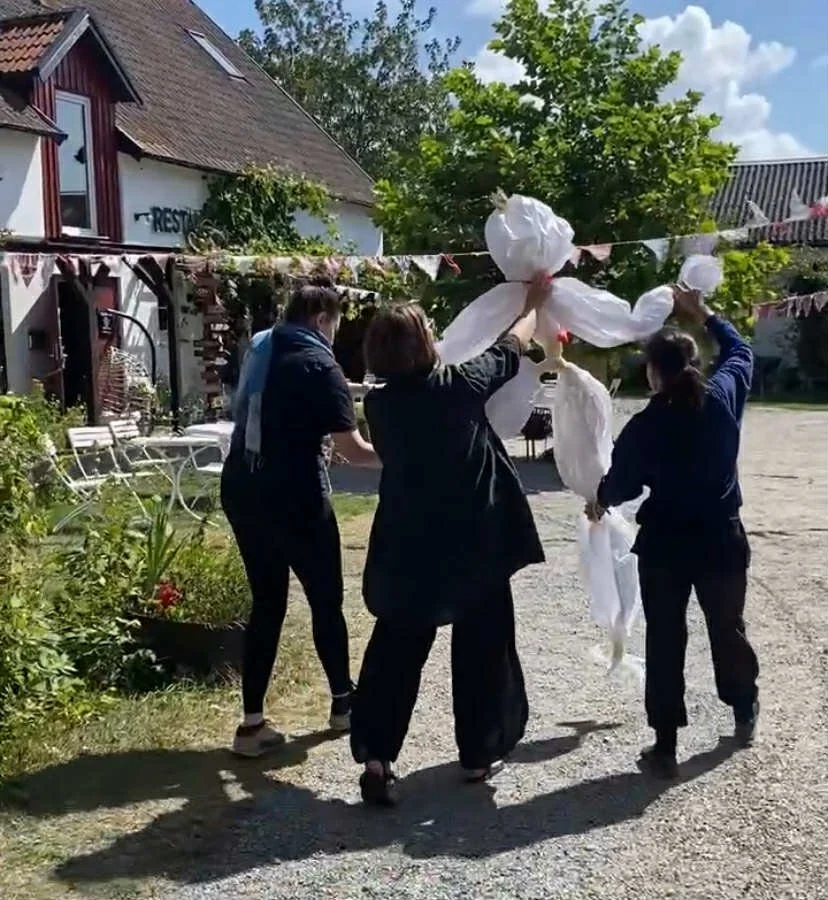
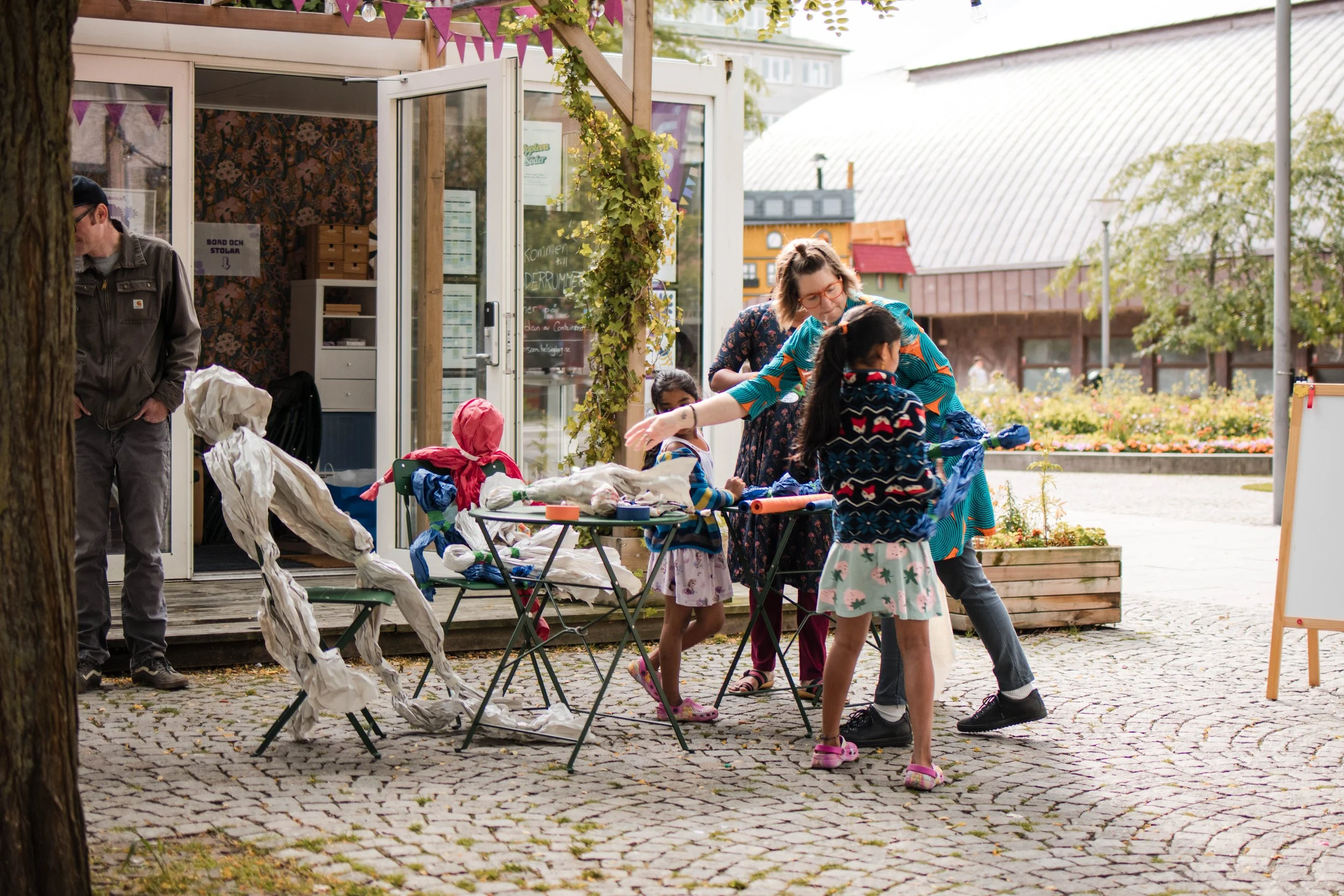
Participants develop perceptual sensitivity by working with simple objects that slow interaction enough for relational dynamics to become visible.
Because the object cannot explain, justify, or persuade, relational dynamics that usually remain hidden in conversation become visible through movement, timing, and contact.
Focus: perception
Power-Aware Facilitation
Advanced practice for group leaders
For practitioners who already hold responsibility for relational environments and want to work more consciously with how participation organizes power.
Participants practice inside live relational laboratories where:
• facilitation reflexes become visible
• authority shifts can be studied in real time
• intervention timing becomes clearer
• disruption can occur without collapsing trust
Focus: intervention
Relational Field Sessions
Short entry laboratory
A 90-minute live relational experiment where participants experience how participation organizes itself in real time.
Instead of discussing group dynamics, participants enter a simple shared task where responsibility, influence, hesitation, and coordination patterns become visible as they unfold.
Often the clearest way to encounter the work for the first time.
Focus: entry
Why This Work Exists
Most relational training focuses on communication skills, emotional awareness, or leadership technique.
But the dynamics that shape groups often organize themselves before those tools become relevant.
Participation distributes responsibility, authority, silence, and urgency long before anyone explicitly decides what role they are playing.
Those patterns do not only affect individual meetings or collaborations.
They are also the mechanisms through which institutions, movements, and organizations reproduce power.
Even spaces committed to justice, care, or inclusion can quietly recreate hierarchy through everyday participation habits that no one intended.
Relational Fieldwork creates practice environments where these patterns can be seen, studied, and practiced differently.
Who This Work Tends To Support
This work attracts people who hold responsibility for relational environments, including:
• facilitators and group leaders
• educators and curriculum designers
• therapists and relational practitioners
• artists and cultural organizers
• movement and community organizers
• people working inside institutional complexity
Many participants arrive already sensing subtle group dynamics but without places to practice working inside them with others who see the same layer.
About Laura Geiger
Laura Geiger is a relational fieldwork practitioner and the creator of Deep Puppetry™.
She designs structured practice environments where practitioners can study how participation organizes power in real time and develop greater range inside moments of relational complexity.
Through constraint-based relational experiments and live group laboratories, participants learn to perceive how interaction shapes authority, responsibility, and possibility.
Entering This Work
You do not need theoretical background or prior exposure.
Participants enter live relational environments where interaction itself becomes the material of study.
Most people first encounter this work through a relational field session or through School of the Small and Imperfect, the core ongoing practice environment.
Explore Power-Aware Facilitation
Join School of the Small and Imperfect
Participate in a Relational Field Session
Subscribe below for writings and practice invitations