Relational Fieldwork
Training in how participation organizes power
- and how to stay human inside systems that quietly train us to dominate, withdraw, or disappear

laura geiger

Relational Fieldwork creates professional training and practice environments for people who hold groups, shape learning spaces, or take seriously how power moves through everyday participation.

Many people who find this work already hold strong values around justice, care, and relational integrity.

And still, inside meetings, classrooms, collectives, therapy rooms, and organizations, they notice themselves:

• stepping in too quickly
• carrying responsibility that was never assigned
• smoothing tension that needed time
• shaping outcomes without meaning to
• keeping groups coherent at personal cost

Not because they lack skill.
Not because they lack ethics.

Because power organizes participation faster than intention can. Most of us learned these participation habits long before we had language for them.

Systems reproduce through everyday participation habits. That means they can be interrupted there, too.


What This Work Trains

Relational Fieldwork is professional training in how participation patterns shape power, responsibility, and what becomes possible inside groups.

Participants do not primarily learn techniques or communication strategies.

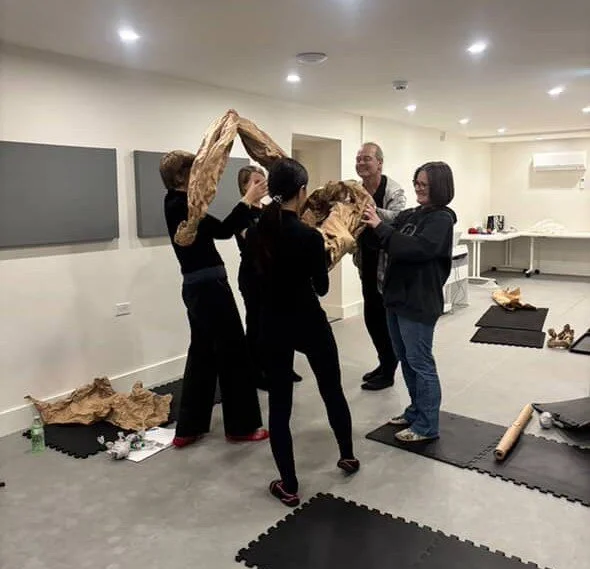
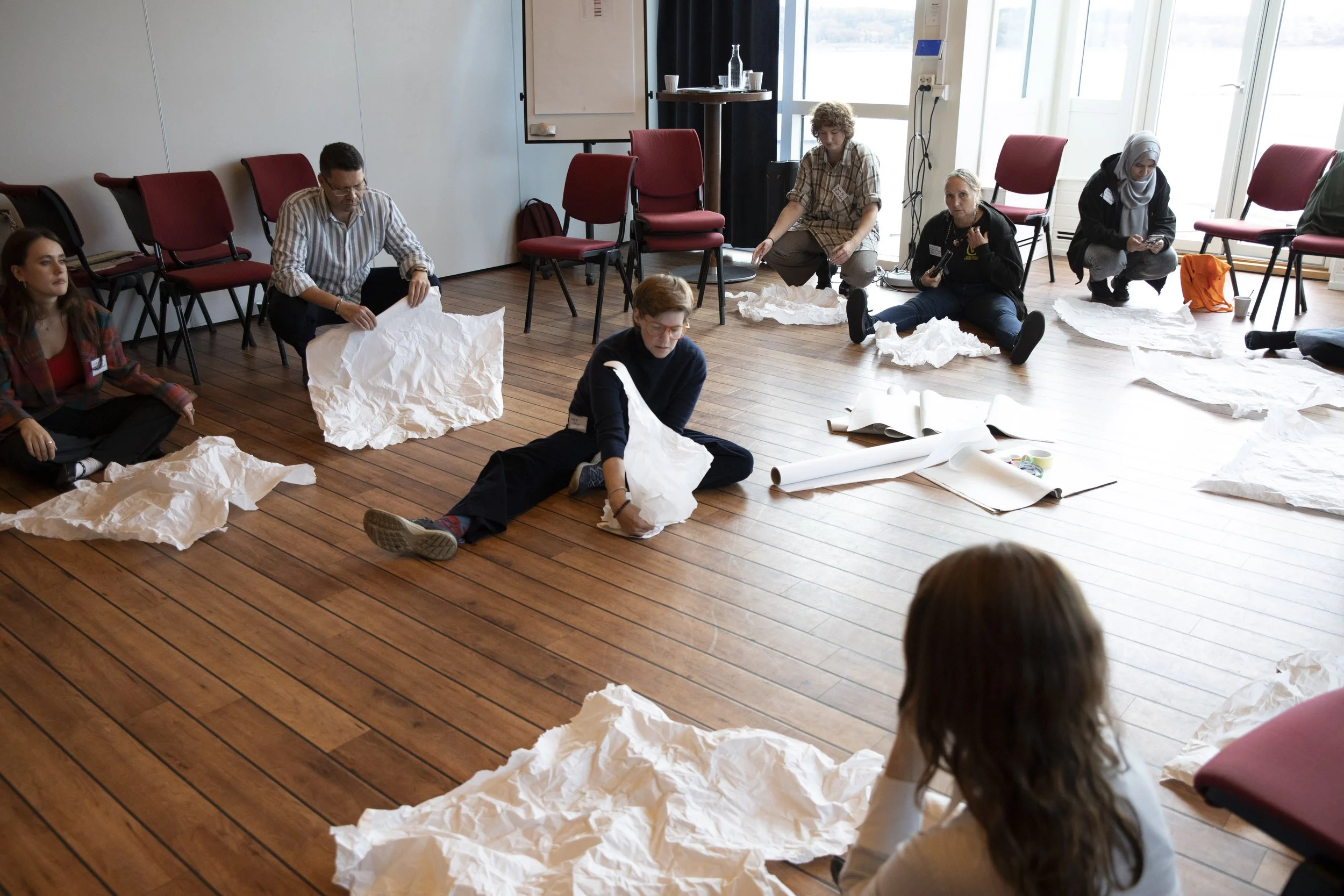
They practice inside structured live group laboratories where participation dynamics become visible while they are happening.

Participants begin noticing:

• where they intervene too early
• where care turns into control
• where authority concentrates without consent
• where silence becomes disappearance
• where restraint opens new relational possibility

Over time, practitioners expand their range of ethical participation under pressure.


Participants often describe shifts like this:

“Our weekly classes affirmed the importance of working with uncertainty. They highlighted the value of collaborative space as a place for sharing and exploring unformed thoughts and reflections. I am learning to embrace moments of stillness, absence, and tenderness. My learning edge lies in letting go, getting lost, and allowing the material to lead.”
- Julia Tribe, Expressive Arts Therapist and Community Arts Facilitator


Why This Work Exists

Many professionals working in justice, therapy, education, and community leadership hold strong ethical commitments and still find themselves repeating relational patterns that feel difficult to interrupt.

That’s because hierarchical and colonial systems reproduce themselves through everyday participation habits such as:

premature resolution
loss of shared responsibility
care turning into management
discomfort being absorbed instead of distributed

When participation shifts, something structural shifts with it.

This work exists to create practice environments where those shifts can be felt, studied, and lived.

Primary Training

Designed for experienced practitioners ready for deeper professional development.

Advanced Training in Power-Aware Facilitation

Six-week professional cohort

This advanced training is designed for facilitators, educators, therapists, organizers, and group leaders who want to recognize and interrupt domination patterns that emerge through participation itself.

Participants work inside structured relational laboratories where:

• facilitation reflexes become visible
• authority shifts can be studied in real time
• intervention timing becomes a professional skill
• disruption can be practiced without collapsing relational trust

This training is especially relevant for facilitators who:

• already hold responsibility for group environments
• sense subtle participation dynamics others miss
• feel current facilitation training does not address power formation deeply enough
• want expanded ethical range rather than additional technique

Small cohort: 8–14 participants
Next cohort begins April 11
Cohorts typically fill before enrollment closes.
Applications are reviewed on a rolling basis.

additional ways to enter the work

Relational Field Session

90-minute live practice laboratory

A short group experiment exploring how participation organizes itself in real time.

Often the clearest first experience of relational fieldwork.

School of the Small and Imperfect

Ongoing relational practice environment

A weekly group space focused on staying present through awkwardness, mismatch, and unfinished relational moments without rushing to repair or resolve.

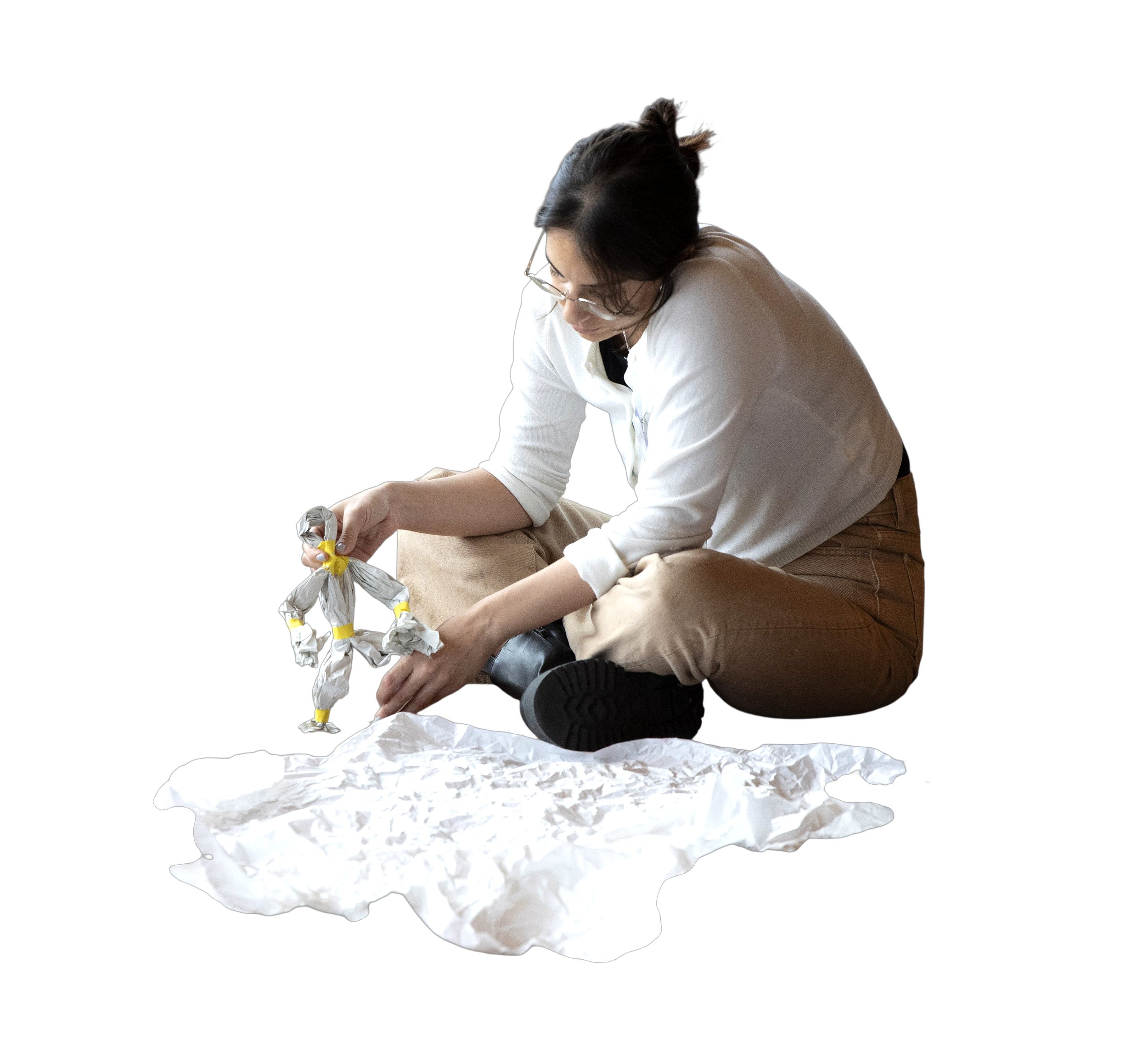
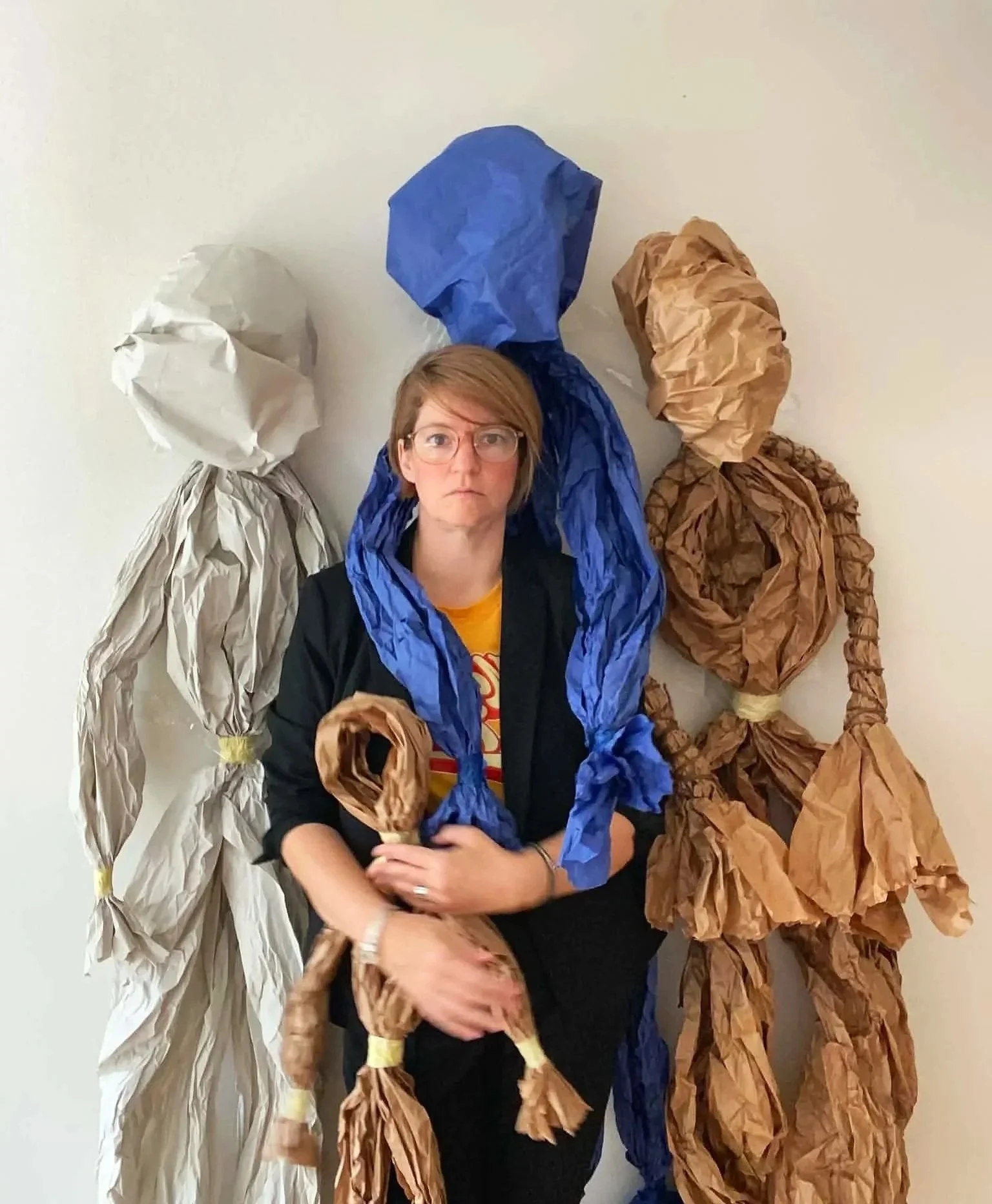
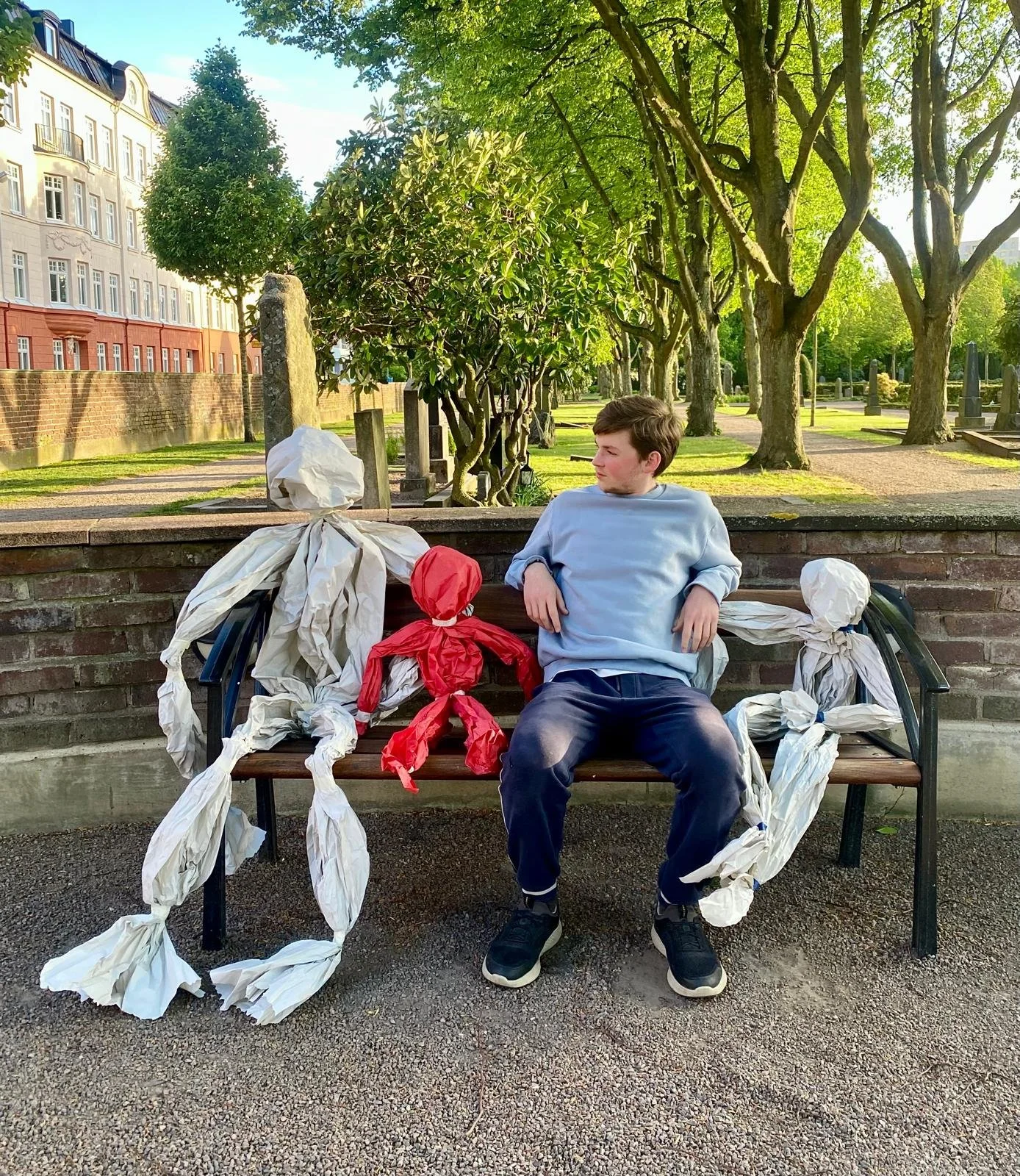
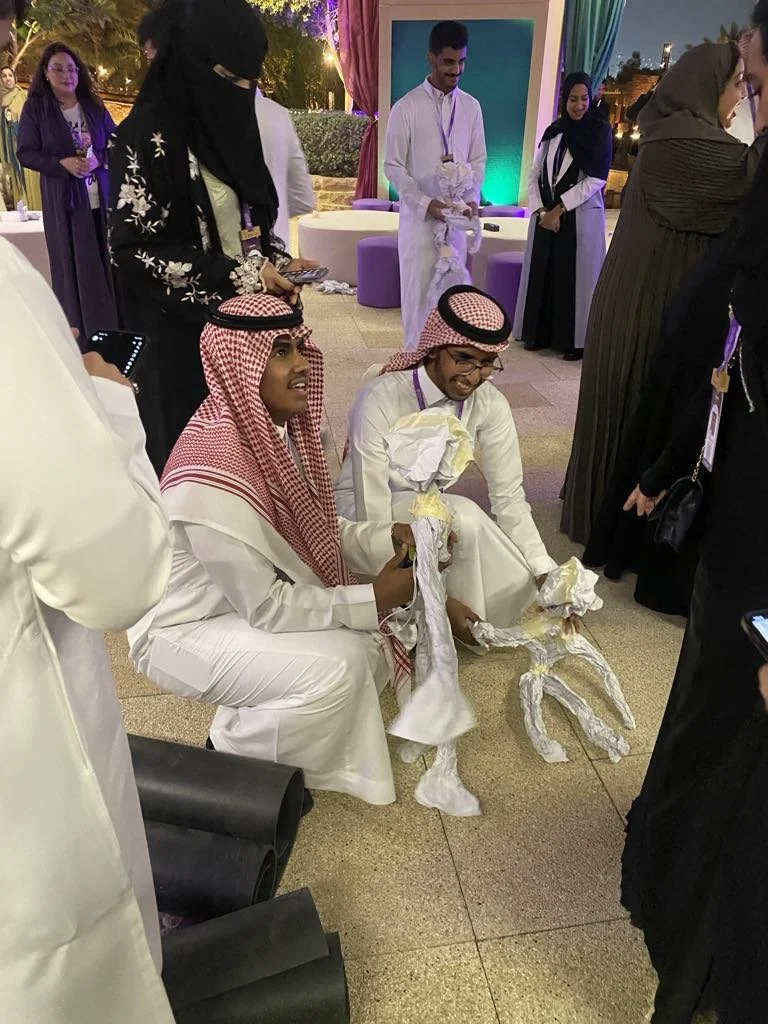
Deep Puppetry™

Material-based relational training

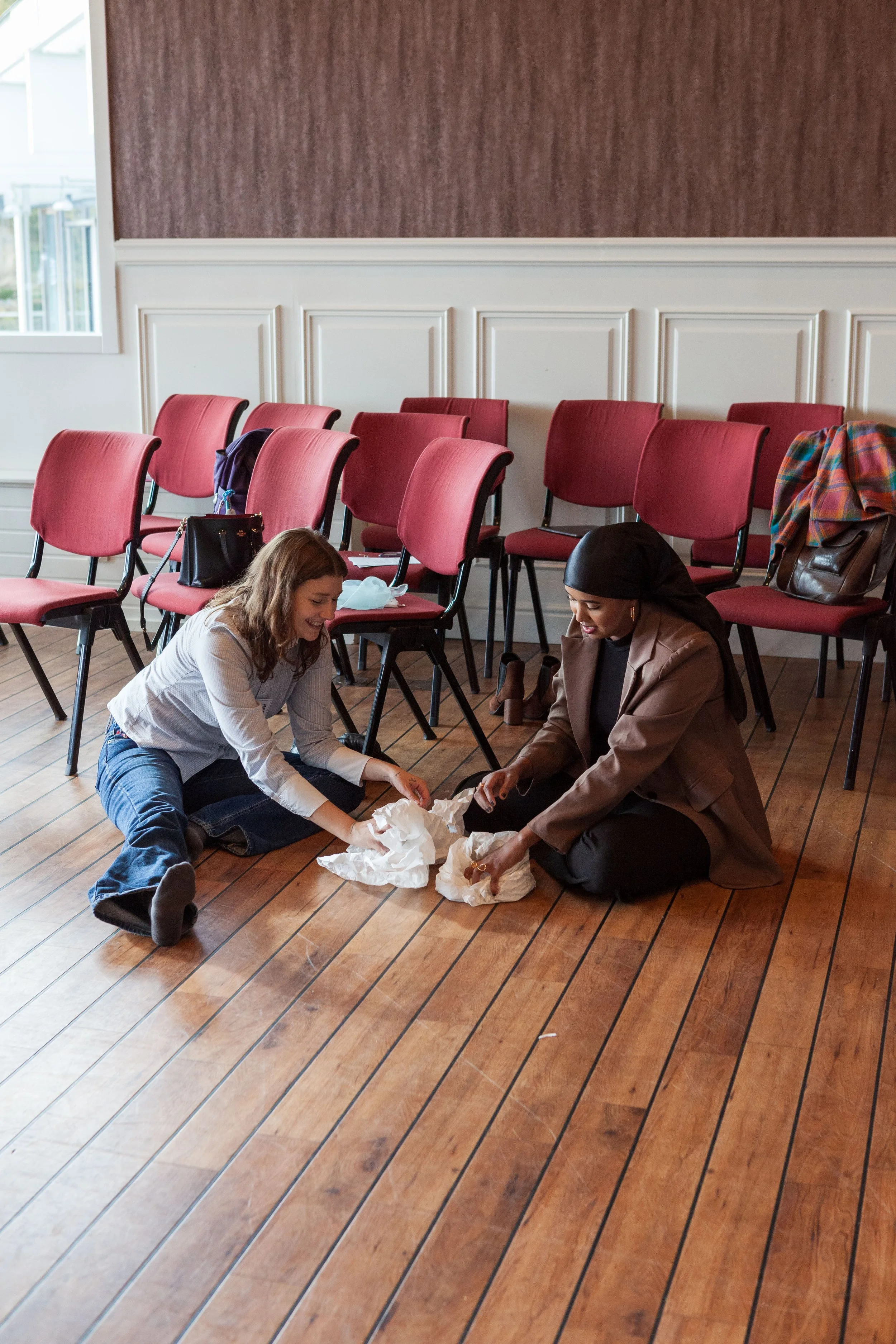
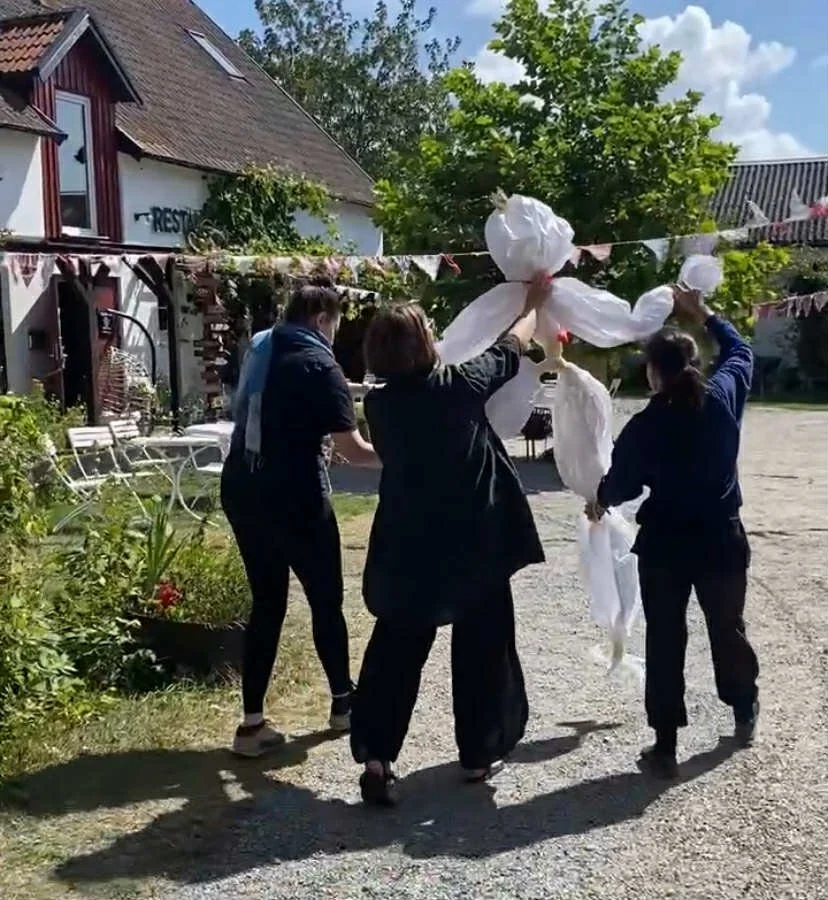
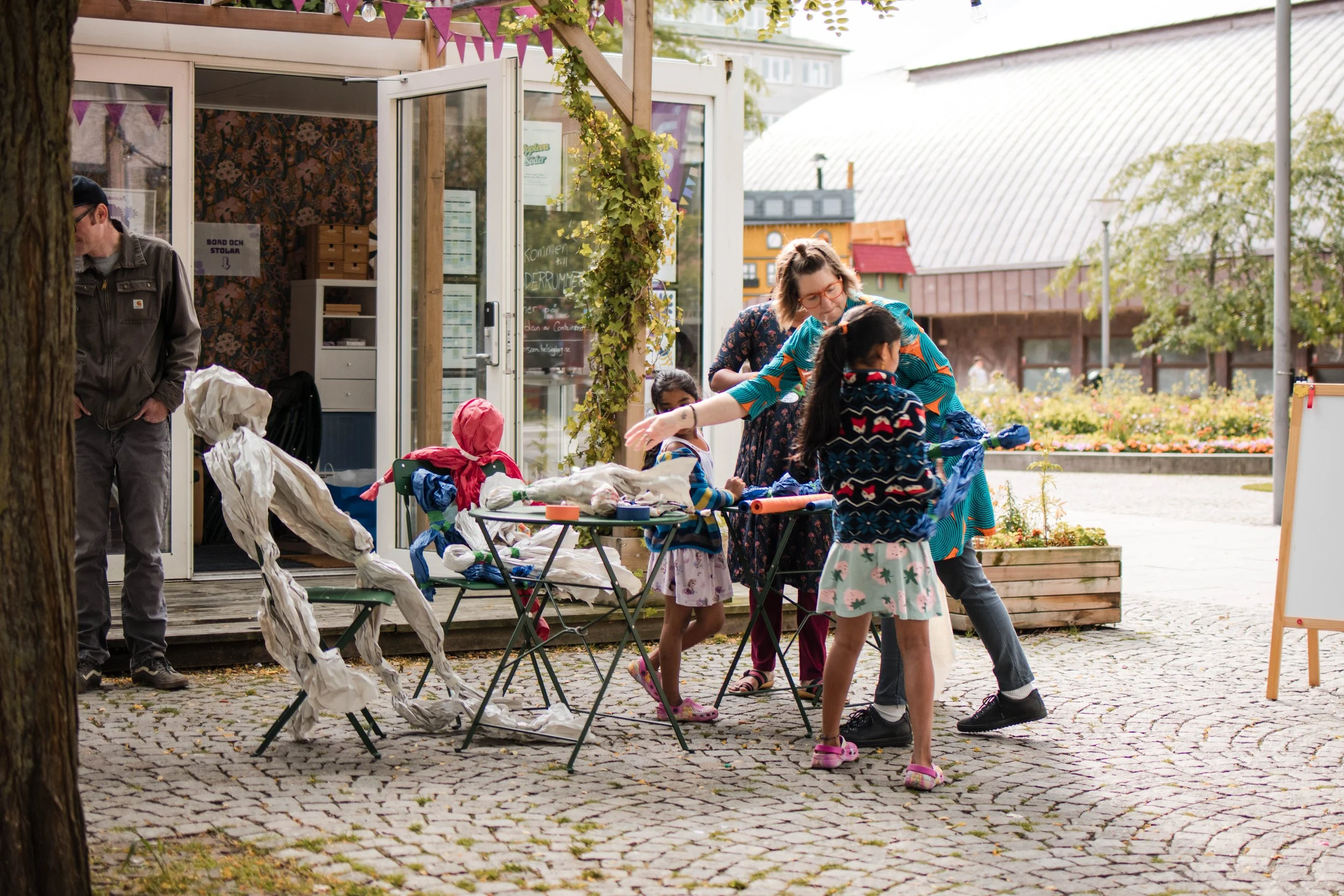
An object-based practice that develops sensitivity to power, care, dependency, and refusal through material interaction.

how this work is different

This is not therapy, coaching, or performance training.

Participants are not asked to rely on self-interpretation as the primary learning method.

Instead, training environments use:

• structured participation conditions
• distributed authority
• constraint-based relational experiments
• limited premature interpretation

Learning happens through participation first, conceptual integration second.


Who This Work Tends to Support

This work attracts professionals responsible for relational environments, including:

facilitators and group leaders
educators and curriculum designers
therapists and relational practitioners
artists and cultural organizers
movement and community organizers
people leading collaborative or institutional spaces

Many participants arrive already sensing subtle group dynamics but without structured environments for practicing with them.


About Laura Geiger

Laura Geiger is a relational fieldwork practitioner and creator of Deep Puppetry™. She designs training environments where practitioners can study how power moves through everyday interaction and how to participate with greater integrity inside complex systems.

Her work develops ethical improvisers: people able to stay responsive in moments of uncertainty without defaulting to control, over-functioning, or withdrawal.

Rather than offering techniques or prescriptions, she creates conditions where relational patterns become visible through lived experience, allowing participants to notice how timing, attention, and response shape what becomes possible in groups.

Her work is grounded in a commitment to interrupting patterns that reproduce domination in ordinary relational life.


Entering This Work

You do not need theoretical background or prior exposure to this work.

You do need willingness to participate inside structured environments where outcomes are not predetermined and ethical complexity is engaged through practice.

Explore Power-Aware Facilitation

Join School of the Small and Imperfect

Participate in a Relational Field Session

Subscribe below for writings and practice invitations