participation roles lab
A live relational experiment where participation roles become visible in real time
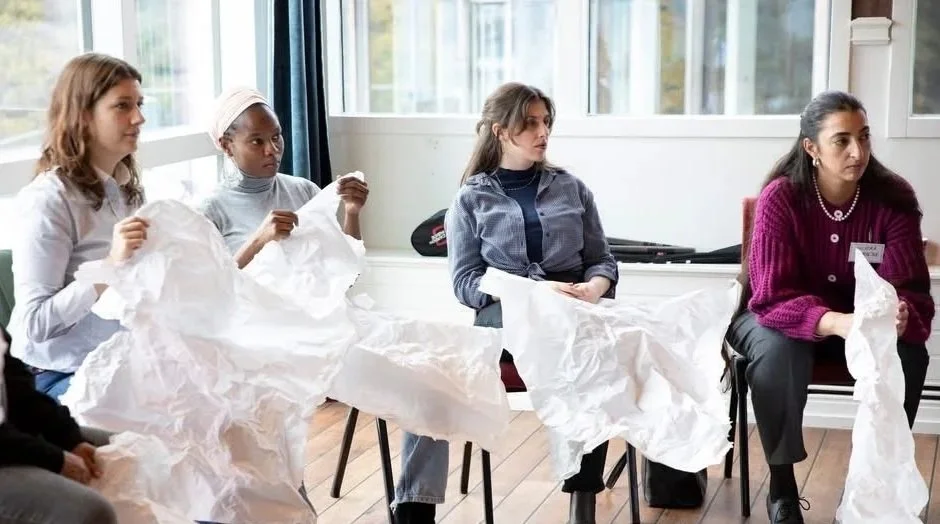
Many people recognize themselves in certain moments of interaction:
absorbing awkward moments for others
smoothing tension before it spreads
stepping in to keep the conversation moving
noticing something shift but not knowing how to name it
We tend to think these are personality traits, but they are participation roles. They emerge as people coordinate interaction under pressure to keep things moving.
The Participation Roles Lab is a short live environment where we can watch those roles form as the interaction unfolds.
What happens in the lab
Participants enter a simple shared task together. No one is assigned a role, and no one is told what to do next.
As the interaction unfolds, we begin to notice:
who absorbs tension
who breaks the pattern
who waits
who explains
who notices what is happening
Instead of analyzing the moment afterward, we watch how participation organizes the interaction while it is happening.
Roles that often appear
People often recognize roles appearing such as:
The shock absorber: smooths awkward moments so the group can continue
The breacher: interrupts the pattern or names what others are avoiding
The witness: notices shifts in tone, silence, or power
The translator: explains or reframes meaning so the interaction stabilizes
None of these roles belong to individuals. They emerge through the interaction itself.
What participants often discover
Participants frequently notice things like:
how quickly certain people begin carrying the interaction
how tension silently organizes behavior
how authority forms without being assigned
how hard it can be not to step into familiar roles
These dynamics are difficult to see in everyday life because they move quickly. The lab slows them down enough to watch these roles form.
Who this is for
People drawn to this work often already sense subtle dynamics in groups but rarely have a place to study them directly.
Participants include:
facilitators and group leaders
educators and therapists
artists and organizers
people navigating complex institutions
anyone curious about how interaction organizes itself
No prior experience is required.
What this leads into
For many people, the lab becomes a first encounter with relational fieldwork.
Some participants later choose to continue exploring this work inside School of the Small and Imperfect, the ongoing weekly practice environment.
Details
90 minutes
live on Zoom
small group format
$60 (processed in Swedish currency)
cameras on for group visibility
Upcoming sessions:
Saturday, June 6
18:00 Central European (12pm ET / 9am PT)