The Living Inquiry
Conversations inside an unfolding inquiry
There are questions I can't quite leave alone. They come from things I notice in practice, from conversations, from relationships, from making things, from moments that don't resolve as neatly as I expected.
Sometimes I have an idea, other times only a hunch. I often think I understand what is happening and then realize I don't.
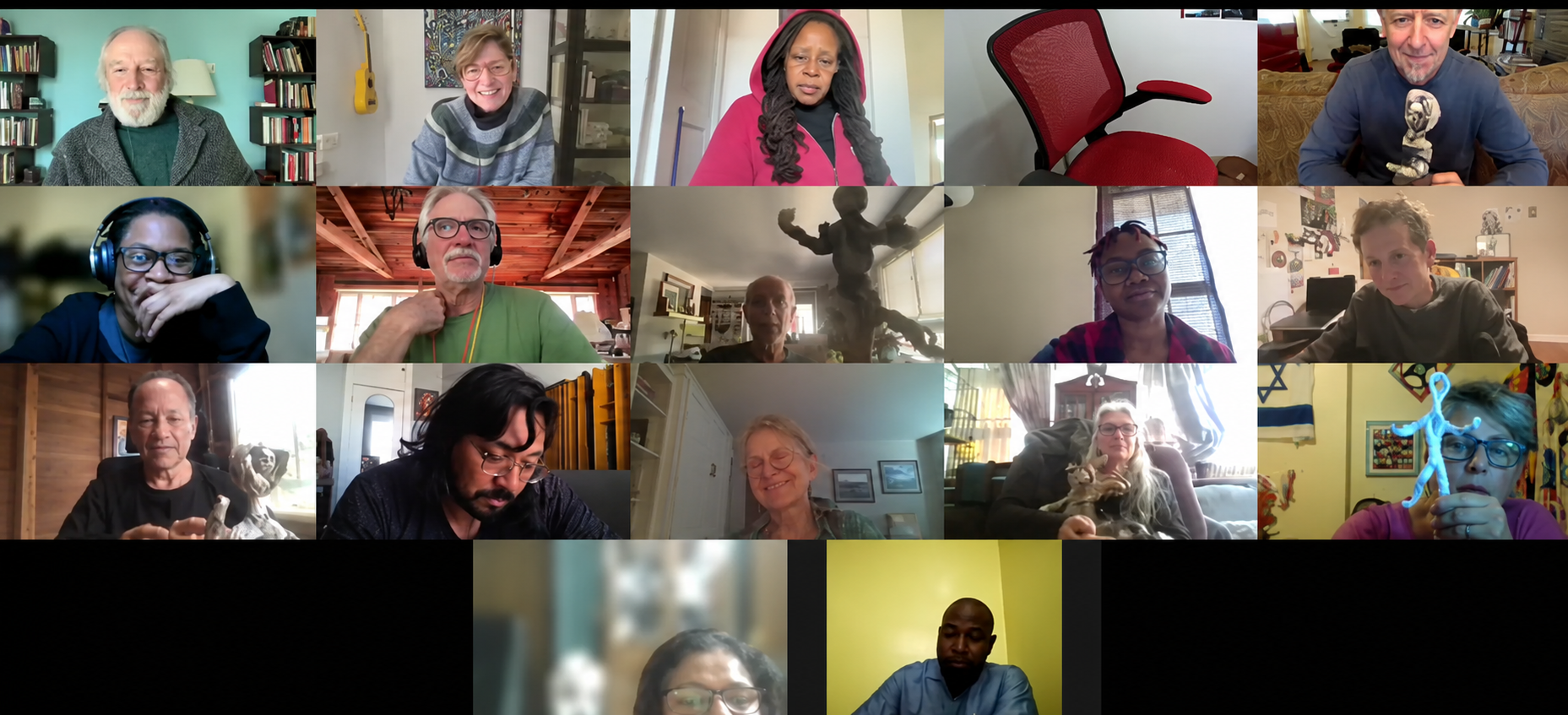
The Living Inquiry is where I bring one of those questions to a group of people and think with them.
The question isn't finished.
That's why we meet.
The next Living Inquiry
What happens when we explain ourselves?
We explain ourselves all the time.
Why we said something, why we reacted, why we need something, why we couldn’t do something, why we feel the way we feel.
Someone might ask us to explain, and we also explain before anyone asks. Much of the time, the explanation arrives so quickly that we don't notice there was a moment before it.
What does an explanation do?
Does it help us understand ourselves?
Does it make us more understandable to someone else?
Does it protect something?
Does it change what we are experiencing?
Does it make some things easier to see and other things harder to see?
And what happens when we don't explain?
I'm interested in the space around these questions.
Explanation isn’t bad, and I am not advocating getting rid of it. I want to get curious about something we do so often that we rarely notice ourselves doing it.
What happens when we explain ourselves?
Come think with me
I'll bring the question, along with some of the encounters, practices, writing, and thinking that have led me to it. Then we'll talk.
We might look closely at a word, follow an example, try something, disagree. We might notice that two things we thought were the same aren't quite the same.
We could discover that the question itself has changed.
There isn't a conclusion waiting for us at the end.
I'm interested in what becomes visible when we stay with a question longer than we normally would.
You don't need to know my work
You don't need to have done any of my practices or be an artist, facilitator, educator, parent, therapist, or anything else.
You don't need to agree with the question. You might simply have read something I've written and thought:
Wait. What does that actually mean?
Or you may have been wondering about something similar in your own life or work. Come because you're curious.
The next gathering
Live online · 90 minutes
October 4
17:00 Central European Time
11am Eastern US
8am Pacific
350 SEK · 35 USD
No preparation required.